Solar Projects in Pakistan: A 2026 Guide for Growing Businesses
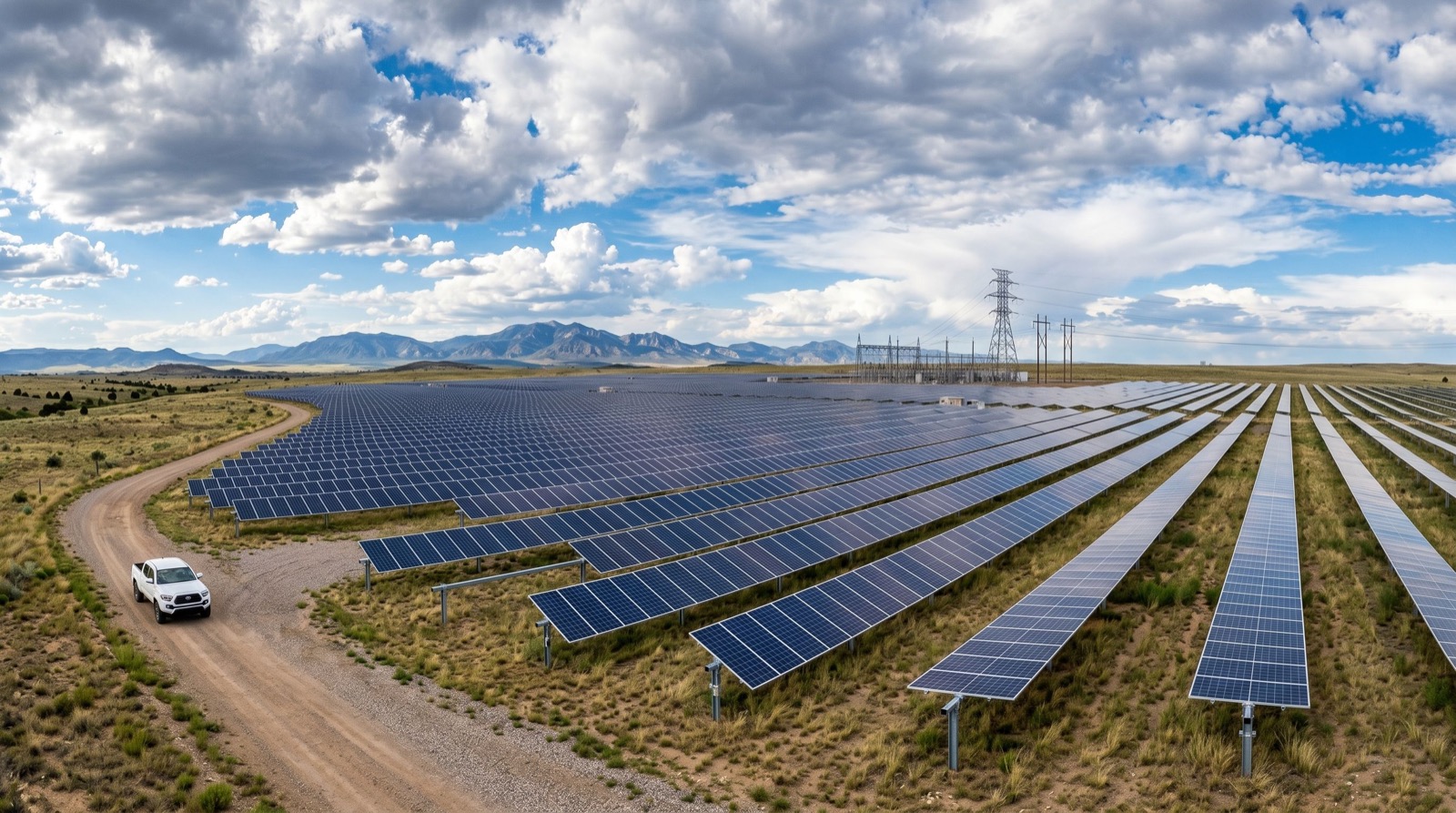
Commercial electricity tariffs in Pakistan have climbed fast enough that solar is no longer a side conversation for business owners — it’s a line item in the annual budget review. Looking at successful solar projects in Pakistan from the last few years makes one thing obvious: companies that moved early are now operating at a real cost advantage over competitors still paying full grid rates. This guide covers what a commercial solar project actually involves in 2026, from sizing to financing to picking the right inverter.
Office relocation and solar planning share more in common than most owners expect. Both require you to audit your actual power needs before signing anything, and both reward businesses that plan months ahead instead of scrambling after the fact.
Why Commercial Solar Projects Are Accelerating in Pakistan
Three forces are pushing businesses toward solar faster than residential adoption: industrial tariff hikes, equipment downtime costs during outages, and falling panel prices relative to a few years ago. A factory or office that used to treat electricity as a fixed cost now treats it as a controllable one.
What a Typical Commercial Project Timeline Looks Like
- Site audit and load assessment — 1-2 weeks
- System design and net-metering application — 2-4 weeks
- Equipment procurement and delivery — 2-6 weeks depending on inverter stock
- Installation and commissioning — 1-2 weeks for most mid-size offices
Solar Inverter Price in Pakistan: Why Commercial Buyers Pay Differently
Businesses size inverters around three-phase loads and higher daytime consumption, which changes the math compared to a residential quote. The solar inverter price in Pakistan for commercial-grade units reflects higher continuous output ratings, built-in monitoring for multiple circuits, and often a longer warranty term than residential models.
| Business Size | Typical Load Profile | Inverter Consideration |
|---|---|---|
| Small office (under 20 staff) | Lighting, laptops, AC units | Single-phase hybrid, moderate capacity |
| Mid-size office or retail | HVAC, servers, signage | Three-phase hybrid with monitoring |
| Light manufacturing | Motors, continuous machinery | Higher surge-rated industrial inverter |
Is Solar Actually Cheaper Than Grid Power for a Pakistani Business in 2026?
For most businesses operating mainly during daylight hours, yes, once the system pays for itself. Payback periods have shortened as installation costs dropped and net-metering policy matured. The Alternative Energy Development Board continues to track and promote renewable adoption across commercial and industrial sectors, and its published guidance is a useful starting point before approaching any installer.
The exception is businesses running heavy loads overnight, where battery storage costs can push the payback period out further than daytime-only operations.
Financing a Commercial Solar Project
Leasing, outright purchase, and vendor financing are all common routes in 2026. Outright purchase gives the best long-term return but requires upfront capital; leasing spreads the cost but usually caps your savings below what ownership delivers over the system’s lifetime.
How Do You Size a Commercial Solar Project Correctly?
Sizing starts with twelve months of utility bills, not a single month’s snapshot, since seasonal cooling loads can double consumption during summer. A reputable installer will ask for this history before quoting anything, and should flag it as a concern if you can’t provide it.
From there, the design balances three variables: available roof or ground space, daytime versus after-hours usage split, and budget for storage if operations run into the evening. Businesses that skip the usage-split analysis often end up with a system sized for daytime loads that barely helps with evening shift operations.
Common Sizing Mistakes Businesses Make
- Sizing off peak demand instead of average daily consumption
- Ignoring planned expansion, like adding a second shift or new equipment
- Underestimating shading from neighboring buildings as the area develops
- Skipping a professional load audit in favor of a rough online estimate
Choosing a Solar Contractor for a Commercial Installation
Commercial projects involve more moving parts than a residential rooftop job — three-phase wiring, higher-capacity switchgear, and often coordination with a building’s existing electrical contractor. Ask any prospective installer for at least two completed commercial references of comparable size, not just residential photos, since the skill sets don’t fully overlap.
Request a written scope that separates equipment, labor, and permitting costs line by line. Vague lump-sum quotes make it harder to compare bids fairly and often hide underpowered equipment behind an attractive headline number.
Relocating Your Office? Plan Solar Into the Move
If your business is already relocating or expanding into a new space, that is the ideal moment to design solar into the building rather than retrofitting it afterward. Just as you would vet an experienced local team for a physical office move, the same due diligence applies to choosing who designs and wires your solar system — check past commercial installations, not just residential references.
Businesses that have gone through both a relocation and a solar installation back to back often say the planning overlap saved them real time: electrical layout decisions made during a move can either support or block a future solar retrofit.
Maintaining a Commercial System After Installation
Commercial systems see more wear than residential ones simply because they run longer hours and often sit on larger, harder-to-access roofs. Build a maintenance contract into the original installation agreement rather than negotiating one later, when pricing leverage shifts firmly to the installer’s side.
- Quarterly panel cleaning for dust and bird debris on flat commercial roofs
- Annual inverter inspection and firmware updates across all units
- Monitoring dashboard review to catch underperforming strings early
A system that’s monitored properly flags underperformance within days rather than months, which matters far more for a business tracking monthly operating costs than it does for a household checking a bill once a quarter.
Frequently Asked Questions
How long does a commercial solar project take to pay for itself?
Most mid-size commercial installations in Pakistan recover their cost within a few years of consistent daytime use, though the exact period depends on local tariff rates and system size.
Do businesses need a different net-metering application than homeowners?
Yes, commercial net-metering applications typically require additional documentation around load profile and three-phase connections, which is why working with an installer experienced in commercial projects matters.
Can an existing office building be retrofitted for solar without major renovation?
In most cases yes, provided the roof structure can bear the panel load and there is accessible space for the inverter and wiring, which a site audit will confirm before any commitment.
What happens to solar power generated beyond what the business uses?
Under net-metering rules, surplus generation is exported to the grid and credited against future bills, rather than being wasted.
Final Thoughts
Solar projects in Pakistan have moved from experimental to standard practice for businesses watching their bottom line in 2026. Start with an honest load audit, compare inverter options against your actual usage pattern, and request a commercial-specific quote before assuming residential pricing applies. The businesses already running on solar aren’t waiting for tariffs to drop — get your site assessment booked this quarter.