Running paid ads without a plan burns budget fast. A skilled SEM expert turns clicks into customers by aligning keywords, landing pages, and bids around real buyer intent. Whether you sell villas, run a clinic, or manage an e-commerce store, search engine marketing is the fastest route to qualified traffic in 2026. This guide breaks down how paid search actually works, where most campaigns leak money, and how to build a system that scales profitably.
What Search Engine Marketing Really Covers
SEM is the umbrella term for paid visibility on search engines, mostly Google Ads and Microsoft Ads. It pairs closely with SEO but works on a different clock: SEO compounds over months, while SEM delivers traffic the day you switch a campaign live.
A strong program blends both. You bid on high-intent commercial keywords today and build organic rankings for the same terms in the background. Businesses that want fast lead flow in competitive markets often lean on a specialist for SEM in Islamabad to get campaigns structured correctly from the start.
The core building blocks
- Keyword research — map search terms to buyer intent, not just volume.
- Ad copy — headlines and descriptions that match the query and promise a clear outcome.
- Landing pages — fast, focused pages that continue the ad’s message.
- Bidding strategy — manual or automated bids tuned to your target cost per acquisition.
- Conversion tracking — the data layer that tells you what actually works.
Why Most Paid Campaigns Waste Budget
The average advertiser loses a large slice of spend to irrelevant clicks. The culprits are predictable, and every one of them is fixable with a disciplined process.
Broad match keywords with no negatives pull in searchers who will never buy. A generic homepage as the landing page kills conversion rates. And without conversion tracking, you optimize toward clicks instead of revenue. Fixing these three issues alone often cuts cost per lead by a third.
Common leaks and their fixes
| Problem | Symptom | Fix |
|---|---|---|
| No negative keywords | High spend, low relevance | Build a negative list weekly |
| Weak landing page | Clicks but no leads | Match page to ad intent |
| No conversion tracking | Optimizing blind | Install Google Ads + GA4 goals |
| One giant ad group | Poor Quality Score | Tightly themed ad groups |
| Ignoring mobile | Lost mobile buyers | Mobile-first landing design |
How to Build a Profitable Campaign Step by Step
A repeatable framework beats guesswork every time. Follow this sequence when launching or rescuing an account.
- Define the goal — leads, calls, sales, or store visits. One primary metric.
- Research keywords — group by intent: research, comparison, and ready-to-buy.
- Structure the account — campaigns by product line, ad groups by tight theme.
- Write matched ads — mirror the keyword in the headline for a stronger Quality Score.
- Build dedicated landing pages — one offer, one call to action, fast load time.
- Set conversion tracking — before spending a single rupee or riyal.
- Launch small, then scale — prove the numbers, then raise budgets on winners.
Google’s own documentation on Quality Score confirms that relevance between keyword, ad, and landing page directly lowers your cost per click. Advertisers who obsess over relevance simply pay less for the same position.
SEM and Local Markets in 2026
Search behavior is intensely local. A user searching from Islamabad, Madinah, or Dubai expects results that speak to their city, currency, and language. Geo-targeting and localized ad copy consistently outperform generic national campaigns.
This is why regional expertise matters. A campaign built for digital marketing in Madinah needs Arabic-aware copy, local landmarks, and prayer-time-aware scheduling that a distant agency would miss. Cultural context turns an ad from ignored to clicked.
Quick wins for local SEM
- Add location extensions and call extensions to every campaign.
- Use city names inside ad copy and landing headlines.
- Schedule ads around local peak browsing hours.
- Run separate campaigns per city to control budget cleanly.
Aligning SEM With Your Sales Cycle
Not every business closes a sale on the first click. A villa buyer researches for weeks; a takeaway customer decides in seconds. Your bidding and messaging should reflect that reality rather than treating every visitor the same.
For longer cycles, invest in remarketing so your brand stays visible while the buyer deliberates. For fast decisions, front-load your best offer in the ad itself. Matching the campaign tempo to the buyer’s tempo dramatically improves return on ad spend.
Seasonality matters too. Demand for many services spikes at predictable times of the year, and smart advertisers raise budgets ahead of those peaks while trimming during quiet stretches. A campaign that ignores the calendar leaves money on the table month after month.
Practical remarketing ideas
- Show past visitors a testimonial-led ad to build trust.
- Offer a limited-time incentive to nudge undecided buyers.
- Exclude recent converters so you stop paying to reach existing customers.
- Cap frequency so your ads inform rather than annoy.
Measuring Success Beyond Clicks
Clicks feel good but pay nothing. The metrics that matter are cost per acquisition, conversion rate, and return on ad spend. Track these weekly and you will spot trends before they drain the account.
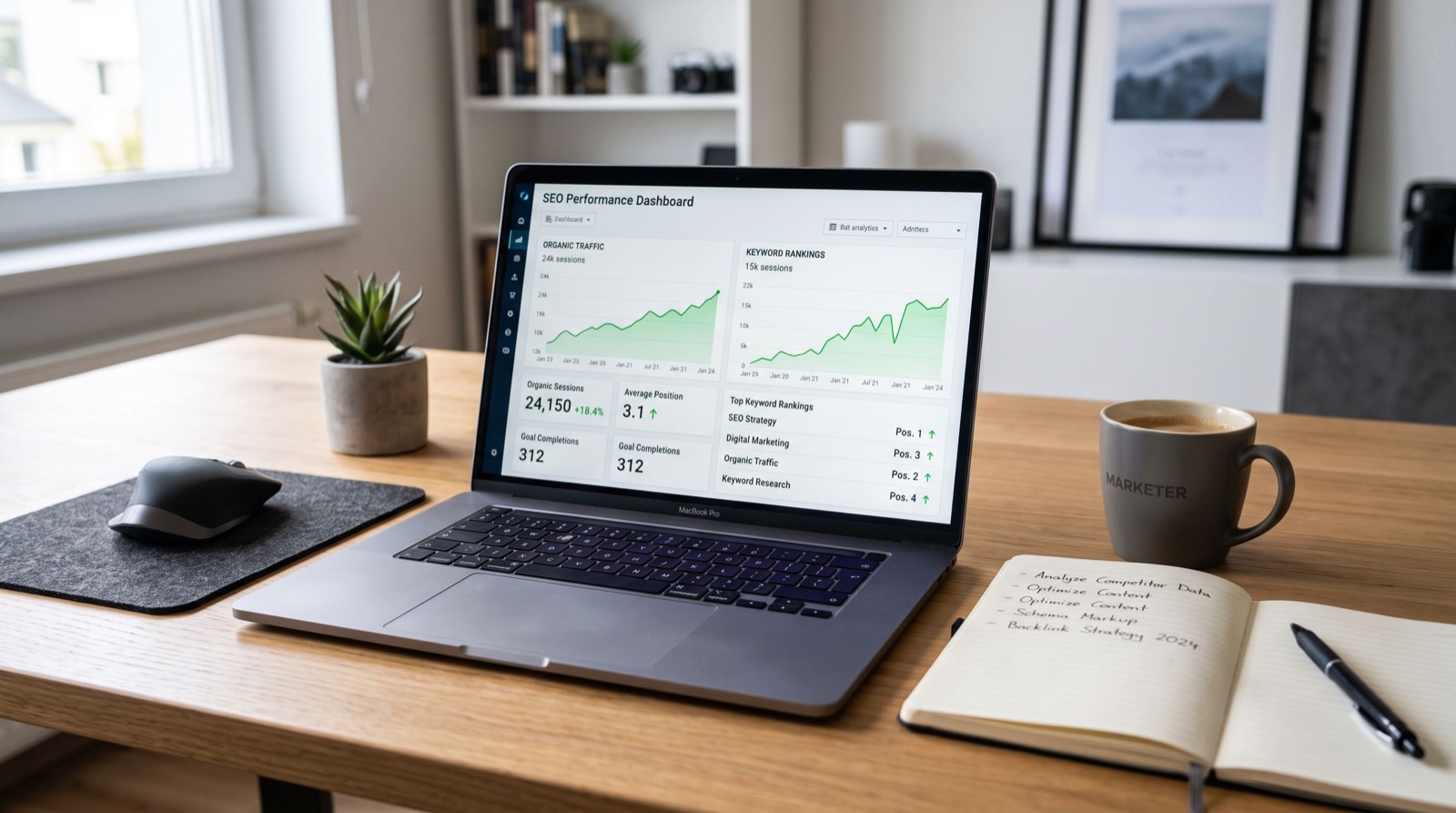
Set up a simple dashboard that reads GA4 and Google Ads together. Reviewing search terms, device performance, and time-of-day data reveals exactly where to trim and where to double down. When you need a hand aligning tracking with a real business goal, working with an experienced local team keeps the strategy grounded in your market.
Frequently Asked Questions
How much should I budget for SEM?
Start with a test budget you can run for at least a month, then scale based on cost per acquisition. Many small businesses begin modestly and grow spend only on campaigns that prove profitable.
Is SEM better than SEO?
They serve different needs. SEM delivers instant traffic and is ideal for launches and promotions, while SEO builds durable, lower-cost visibility over time. The strongest strategies run both together.
How fast will I see results from paid ads?
You can see clicks within hours of launch, but reliable conversion data usually takes two to four weeks. Give algorithms time to learn before making big changes.
Do I need a separate landing page for each campaign?
Ideally yes. A focused landing page that matches the ad’s intent converts far better than sending all traffic to a generic homepage.
Conclusion
Paid search rewards structure, relevance, and relentless measurement. Fix the common leaks, build tightly themed campaigns, and localize your message for the market you serve. Done right, SEM becomes a predictable engine for growth rather than a monthly gamble. Ready to turn clicks into customers? Partner with a proven SEM expert and start scaling with confidence in 2026.